
Can Auto Detailing Remove Scratches? A Clear Guide
Auto detailing can help remove or reduce scratches that stay within the clear coat, including swirl marks, scuffs, and oxidation. Paint correction levels the clear coat until shallow defects fade. Scratches that reach the base coat, primer, or bare metal need touch-up paint or auto body repair, not detailing alone. This guide explains the difference and what each fix costs.
Key Takeaways
- Paint correction removes surface scratches inside the clear coat, but cannot fix damage that reaches the base coat, primer, or bare metal.
- Scratch removal costs range from about $50 for a small spot buff to over $1,500 for full multi-stage correction.
- Wet sanding with high-grit sandpaper can level about 95% of clear coat defects before machine finishing.
- Buffing removes a few microns of clear coat per pass, so repeated correction risks thinning clear coat that is only 40 to 70 microns thick.
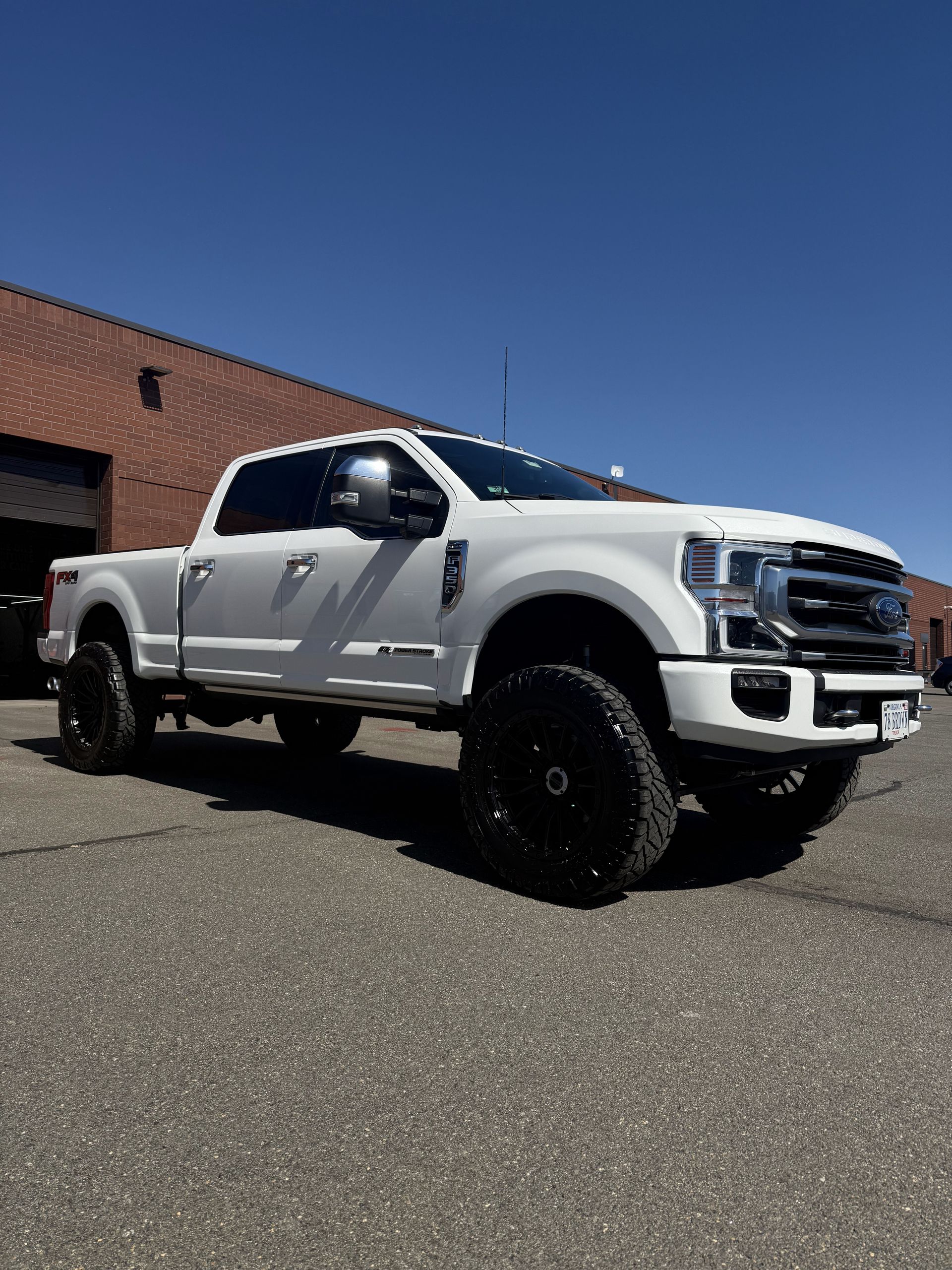
Can Auto Detailing Remove Scratches?
Auto detailing can remove scratches that stay inside the clear coat, but it cannot repair damage that reaches the base coat, primer, or bare metal. Paint correction is the method that does the work, and it removes defects by leveling the surrounding clear coat until the mark fades. Detailing addresses paint-surface defects only, so it does not repair dents, which require paintless dent repair or body work. Phnx Services follows the same limit in its paint correction service: The process improves finish quality, but it does not rebuild damaged panels.
What Types of Scratches Can Detailing Remove?
Detailing and paint correction can address four common paint defects, because each one usually sits near the surface rather than cutting into the color layer:
- Surface scratches: Distort reflected light without exposing paint color, so machine polishing can reduce or erase them.
- Swirl marks: Fine spider-web lines across the clear coat, which can be caused by improper washing, drying, or automated car washes.
- Scuffs: Often paint transfer or surface abrasion, which can be lifted or reduced during a standard correction step when the underlying paint remains intact.
- Oxidation: Dull, chalky paint that can often respond to polishing when the oxidation is light, restoring clarity and gloss.
Once a mark reveals color loss instead of surface haze, the job moves beyond polishing alone.
How Paint Correction Removes Clear Coat Scratches
Paint correction works by carefully leveling the clear coat around a surface defect so the scratch becomes less visible or is removed. The process uses progressively finer abrasives and polishing steps to refine the finish without reaching the colored base coat beneath it.
The Four Stages of a Correction Detail
| Stage | Main Job | Typical Result |
|---|---|---|
| Clay Bar | Removes bonded contamination | Prepares paint for safer correction |
| Compounding | Levels deeper defects | Reduces visible scratches and haze |
| Polishing | Refines the finish | Restores gloss, depth, and clarity |
| Machine Finishing | Removes final haze | Improves reflection and consistency |
A dual-action polisher is commonly used during machine correction because its oscillating motion can be more forgiving than a rotary polisher. For deeper clear-coat defects, professional detailers may also use wet sanding before compounding and polishing. The amount of material that can safely be removed depends on the defect and remaining paint thickness.
Phnx Services performs single-stage and multi-stage correction depending on clear coat condition, and total car detailing time
scales with the level chosen. Single-stage correction combines a cutting compound and finishing polish to address minor swirl marks, water spots, and light oxidation in about a half-day. Multi-stage correction can include wet sanding when deeper scratches and etching require additional leveling, followed by compounding and polishing, and typically runs a full day inside a climate-controlled Ashburn bay.
Surface Scratches vs. Deep Scratches
Surface scratches stay in the clear coat and are usually correctable, while deep scratches reach the base coat, primer, or bare metal and are not fully correctable through polishing alone. The paint stack typically includes clear coat, base coat, primer, and an underlying protective coating such as e-coat over metal.
A clear coat scratch may appear as a light or hazy line in direct light because the damaged surface scatters reflected light, while base coat damage shows that the vehicle's color has been cut through. If white or gray primer appears, the damage is severe; if bare metal shows, auto body repair becomes necessary to restore the protective paint system and help prevent corrosion. That layer difference matters far more than a scratch's length or width.
| Exposed Layer | What It Looks Like | Repair Path |
|---|---|---|
| Clear Coat | White haze in direct light | Paint correction |
| Base Coat | Color line cut through | Touch-up paint or localized refinish |
| Primer | White or gray line | Paint repair or localized refinish |
| Bare Metal | Silver metal, rust risk | Auto body repair + repaint |
How Compounding and Polishing Work
Compounding and polishing work as a two-step process: Compounding cuts deeper defects with heavier abrasives, and polishing removes the haze it leaves behind. Buffing is the broader action that creates this controlled surface abrasion. Consumer scratch removers also use fine abrasives to reduce or remove shallow defects, but they generally have less cutting ability and control than professional machine correction. Professional correction removes a microscopic, uniform layer for a consistent finish. Microfiber towels protect that fresh finish afterward, since newly refined clear coat mars easily if debris drags across it.
When Do Scratches Need Touch-Up Paint or Body Repair?
Scratches need paint repair rather than polishing alone once they reach the base coat, primer, or bare metal:
- Base coat exposed: Polishing cannot replace missing color. Depending on the size and depth of the damage, the repair may involve touch-up paint or localized refinishing.
- Primer exposed: Paint correction cannot rebuild the missing paint layers, so paint repair or localized refinishing is usually needed.
- Bare metal exposed: Auto body repair and refinishing are needed to restore the protective paint system and help prevent corrosion.
The visible layer decides the repair path. A small base coat scratch may need localized touch-up or refinishing, while primer or bare-metal exposure usually calls for paint work.
What Are the Risks of Buffing and Clear Coat Thinning?
Buffing and polishing remove a controlled amount of clear coat, so aggressive or repeated correction can thin the clear coat and reduce paint protection. The main risks include:
- Material removal: Heavy compounding and wet sanding remove material more aggressively than light polishing.
- Clear coat thinning: Repeated or aggressive correction can reduce the remaining clear coat and compromise paint protection.
- Wet sanding: Wet sanding is reserved for deeper defects because it removes material more quickly than light polishing and should be used only when the remaining paint thickness allows it.
- Correction frequency: Because every correction removes some material, when to detail your car matters as much as how aggressively the paint is corrected.
- Thin factory paint: Thinner paint leaves less room for aggressive correction, which is why professional detailers balance defect removal against remaining clear coat thickness.
- Professional inspection: Phnx Services photo-documents each vehicle at intake, during correction, and at delivery to monitor the condition of the paint throughout the process.
Professional detailers aim to improve the finish without compromising the remaining protective clear coat, which is why aggressive correction should be used only when the paint condition allows it.
Can Detailing Remove Swirl Marks, Scuffs, and Oxidation?
Paint correction routinely removes or substantially reduces swirl marks, scuffs, and oxidation, because these defects typically sit near the clear coat surface. Automated car washes can contribute to swirl marks, along with improper hand washing and drying techniques, and compounding with polishing usually clears them without repainting when the damage remains within the clear coat. Scuffs are often paint transfer, which a detailer can remove during a standard detail when the material has not etched deeply. Oxidation responds well too, since correction restores dull, chalky paint to a clearer finish, although severe oxidation may require more extensive correction or refinishing.
Expert Insights:
"A 2-step correction on a black sedan often removes most swirls, but the clear coat thickness decides how far we push." - PHNX Services Team
| Defect | Common Cause | Detailing Result |
|---|---|---|
| Swirl Marks | Automated car washes | Usually removed with paint correction |
| Scuffs | Paint transfer | Often removed during standard detailing |
| Oxidation | UV exposure and age | Correction restores gloss and color depth |
How to Check Scratch Depth Before Paying for Repair
A quick light inspection helps determine whether a scratch appears limited to the clear coat, base coat, primer, or bare metal. The exposed layer matters more than the scratch's length or width when deciding the repair path:
- Clear coat: A shallow mark that only distorts reflection may be suitable for detailing or paint correction.
- Base coat: Visible color loss indicates that polishing alone cannot restore the missing paint and that touch-up paint or localized refinishing may be needed.
- Primer: A white or gray line usually indicates deeper paint damage that requires paint repair rather than correction.
- Bare metal: Exposed metal requires proper refinishing and corrosion protection rather than polishing alone.
- Fingernail test: If your nail catches in the groove, the damage may extend beyond the clear coat. This test provides a quick estimate, but it is not a precise measurement.
A small spot buff often starts around $50, while a full multi-stage correction can run past $1,500 depending on vehicle size, paint condition, and how many panels are affected.
A short
car detailing checklist
that runs through clear coat, base coat, primer, and bare metal turns that inspection into a repeatable two-minute step. Matching the fix to the exposed layer keeps the decision grounded in the paint stack instead of guesswork, the same logic Phnx Services applies when reviewing vehicle photos before quoting.
Ready to Find Out How Deep Your Scratches Really Go?
Send Phnx Services 2-3 photos of your current vehicle (a straight-on shot of the scratch, a close-up, and one under direct light), and the team will identify the affected paint layer and recommend correction, touch-up, or body repair before you spend a dollar.
For hands-on help, professional
car detailing in Ashburn, VA covers correction, decontamination, and finish protection under one certified, climate-controlled roof.
Frequently Asked Questions
Can auto detailing remove light clear coat scratches?
Auto detailing removes light clear coat scratches when the damage stays above the base coat. Paint correction levels the surrounding clear coat, which makes shallow defects far less visible. Light scratches, swirl marks, and scuffs can often be substantially reduced in one or two machine polishing stages, though thin factory paint limits how aggressively a technician can cut.
Can detailing fix scratches that catch a fingernail?
Deep fingernail-catching scratches usually reach past the clear coat, so detailing cannot fully remove them. The fingernail test itself is the standard way detailers check this: if a nail catches in the groove, the scratch has likely passed the clear coat. The mark often needs touch-up paint if it exposes the base coat, or auto body repair if primer or bare metal shows. Depth decides the outcome more than appearance, which is why a direct-light inspection matters before any repair estimate.
Does polishing remove scratch marks permanently?
Polishing can permanently remove many clear coat defects, because it levels the surface instead of hiding it. The result depends on how deep the mark runs through the paint system. If a scratch reaches the base coat or primer, polishing can only reduce its appearance, and full removal at that depth requires paint work, not correction. The repaired area can also develop new scratches through normal use.
Are swirl marks easier to remove than scratches?
Swirl marks are usually easier to remove than deep scratches, because they sit close to the clear coat surface. They can result from automated car washes, improper washing, or drying techniques, and paint correction often eliminates them in a single detailing session. Deep, isolated scratches demand more material removal and more caution to avoid thinning the clear coat.
Does auto detailing remove dents too?
Auto detailing does not remove dents, because dents are structural damage rather than paint defects. Paintless dent repair or body work handles that problem, while detailing addresses clear coat, base coat, and surface contamination only. Scratches and dents follow separate repair paths, so a full estimate should account for both when a panel shows each.
About Phnx Services
Phnx Services is a certified auto detailing and paint correction studio in Ashburn, VA, serving Ashburn and Loudoun County since 2019 with a 5.0-star rating across 100+ Google reviews.
Last updated: August 2026.