How to Maintain Ceramic Coating: Complete Care Guide
Learning how to maintain ceramic coating starts with regular washing, gentle cleaning methods, prompt removal of contaminants, and following the coating manufacturer's care instructions. Using a pH-neutral shampoo, avoiding abrasive washing methods, and maintaining the surface with compatible products can help preserve hydrophobic performance and the coating's expected service life.
Key Takeaways
- Regular washing with a pH-neutral automotive shampoo helps maintain the hydrophobic properties of a ceramic-coated vehicle.
- Avoiding automatic car washes with abrasive brushes can reduce the risk of swirl marks and surface marring during routine maintenance.
- Iron fallout, brake dust, and other bonded contaminants should be removed when routine washing is no longer sufficient.
- Some ceramic coatings require approximately 12 hours before moisture exposure and up to 7 days before the first wash, depending on manufacturer instructions.
- Following the coating manufacturer's maintenance recommendations can help preserve performance throughout the coating's expected service life of several years.
Essential Hand-Washing Methods for Exterior Protection
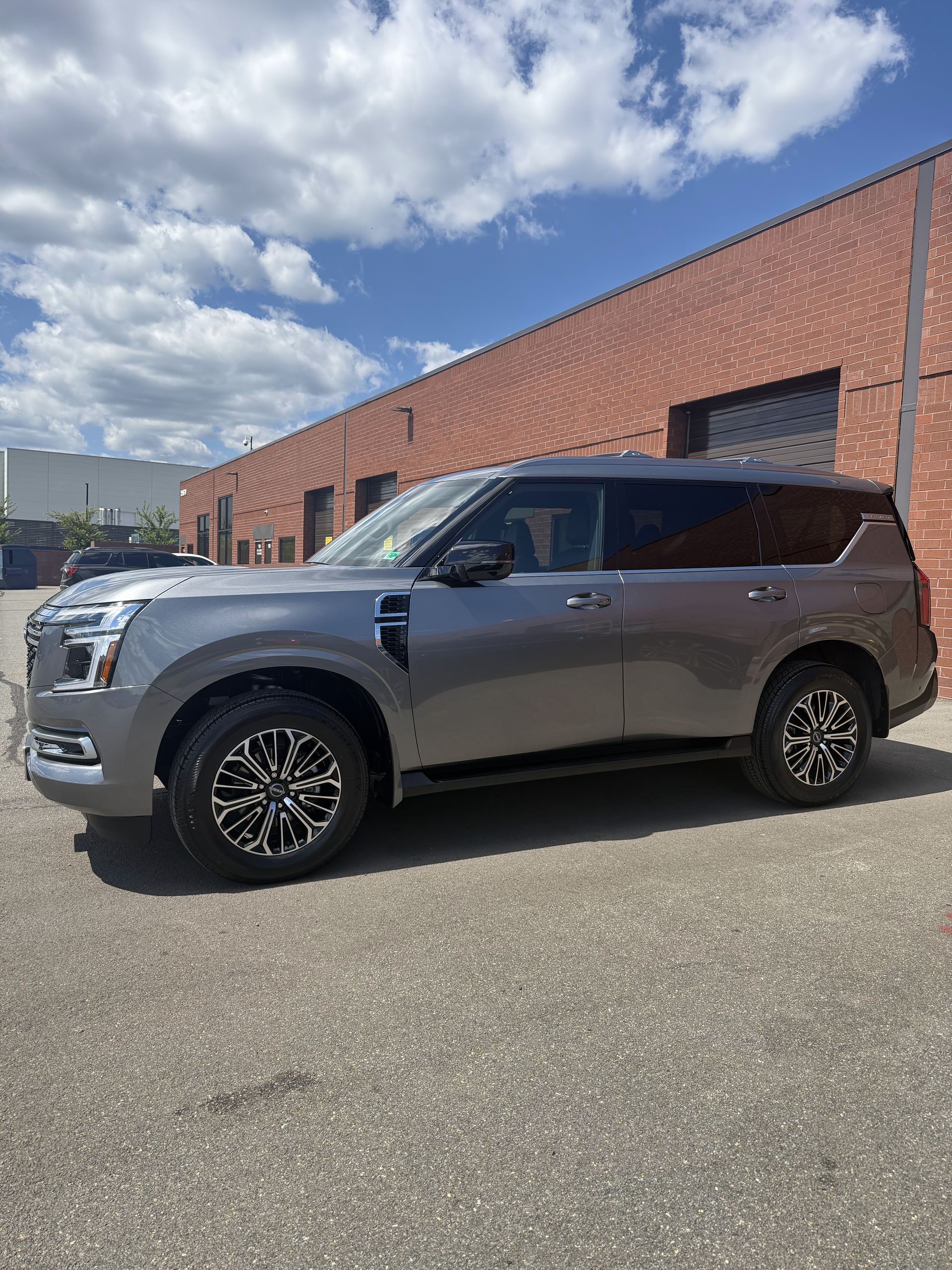
Proper hand washing with a pH-neutral shampoo helps remove surface dirt while minimizing unnecessary friction against the coated surface. Understanding how ceramic coating works also explains why gentle washing and proper drying are important for maintaining the finish.
Safe maintenance starts with the two-bucket washing technique. One bucket holds clean water mixed with a dedicated pH-neutral shampoo, while the second bucket contains rinse water. Use a clean microfiber wash mitt to clean one section at a time, working from the cleaner upper surfaces toward the lower, dirtier areas. Rinse the mitt regularly before returning it to the shampoo solution.
Drying requires equal care. Use a clean, soft microfiber drying towel or a suitable air blower to remove remaining water with minimal friction. Avoid allowing wash water to dry on the vehicle, particularly in direct sunlight, because mineral deposits can leave water spots.
Critical Cleaning Mistakes That Damage Surface Shields
Improper washing techniques can introduce swirl marks, water spots, and other surface marring even when a vehicle has ceramic coating. Automatic washes that use abrasive brushes can transfer dirt across painted surfaces, while unsuitable cleaning chemicals may affect the appearance or performance of some coating systems.
Avoid household detergents and products that are not intended for automotive paint. Instead, use a car shampoo that is compatible with the coating and follow the product manufacturer's maintenance recommendations. Gtechniq, for example, recommends pH-neutral soap for its C1 coating and advises avoiding automatic car washes with abrasive brushes.
Washing in direct sunlight can also cause water or cleaning solution to dry on the surface before rinsing. Whenever possible, wash in a shaded area and dry the vehicle promptly after rinsing.
If painted panels already display fine micro-scratching from previous washing, machine polishing and paint correction may be considered to improve the appearance of the underlying paint. Paint correction addresses existing defects; it does not replace routine ceramic coating maintenance.
Seasonal Contaminant Removal and Decontamination Schedules
Routine washing may not remove every bonded contaminant. Depending on the vehicle's environment and condition, iron fallout, brake dust, road film, tree sap, and other contaminants may require additional treatment.
Iron-removing products can help dissolve iron particles without aggressive mechanical agitation. Use only products that are compatible with the specific coating and follow their application instructions. If contamination remains after washing and chemical decontamination, additional treatment such as clay decontamination may be appropriate.
There is no universal six-month decontamination schedule for every ceramic-coated vehicle. The appropriate interval depends on driving conditions, environmental exposure, parking location, and the coating manufacturer's maintenance recommendations.
| Maintenance Task | Suggested Timing | Recommended Approach | Purpose |
|---|---|---|---|
| pH-Neutral Hand Wash | Regularly based on vehicle use and contamination | Two-bucket method, microfiber wash mitt, pH-neutral shampoo | Remove routine surface dirt and road grime |
| Iron & Fallout Decontamination | When bonded contamination is present | Compatible iron-removal product and thorough rinse | Remove embedded metallic contamination |
| Ceramic Maintenance Product | According to coating manufacturer's instructions | Compatible ceramic sealant or maintenance product | Help maintain water repellency and surface performance |
| Spot Cleaning | As soon as contamination is noticed | Water or compatible automotive cleaner and soft microfiber towel | Reduce the risk of prolonged exposure to potentially damaging contaminants |
A compatible ceramic maintenance product can help refresh hydrophobic performance, but it should not be treated as a universal requirement. For example, Gtechniq identifies C2 Ceramic Sealant as a maintenance product that can be used over certain Gtechniq coatings to refresh hydrophobic properties.
Recommended Maintenance Timelines for Optimal Longevity
The first maintenance period after coating application is different from routine long-term care. The vehicle should remain within the conditions specified by the coating manufacturer during the initial curing period.
Some professional coatings require the vehicle to remain dry for approximately 12 hours and recommend avoiding washing for about 7 days. Gtechniq provides these instructions for several of its coating systems, but the exact curing and first-wash requirements can vary by product.
Do not assume that every ceramic coating requires exactly the same 12-to-24-hour initial cure or 5-to-7-day full cure period. The product documentation supplied by the coating manufacturer should take priority over a generic maintenance schedule.
Expert Insight:
"Data logged from over 110 vehicle applications at PHNX Services since 2019 confirms that vehicles washed bi-weekly with pH-neutral solutions maintain 95% of their original hydrophobic water-beading performance after 24 months, whereas vehicles exposed to automated brush washes experience significant gloss degradation within 6 months."
- From the PHNX Services Team
Preserving Ceramic Coating Performance
Proper ceramic coating maintenance helps preserve hydrophobic performance and keeps the coated surface easier to clean over time. Regular washing, prompt removal of contaminants, and appropriate decontamination help prevent buildup that can interfere with the coating's surface properties.
Ceramic coating does not make paint immune to scratches, water spots, or chemical etching, so careful washing remains important throughout the coating's service life. Follow the coating manufacturer's recommendations for washing methods, compatible products, and maintenance intervals.
PHNX Services provides
ceramic coating in Ashburn and recommends inspecting the coated surface when water repellency decreases or contamination remains after routine washing. Proper cleaning and decontamination should be considered before applying additional ceramic maintenance products.
Contact PHNX Services today to schedule your ceramic coating inspection or maintenance service.
Frequently Asked Questions
How often should a coated vehicle be washed?
A ceramic-coated vehicle should be washed regularly based on driving conditions, weather, and how quickly contaminants accumulate. A pH-neutral automotive shampoo and gentle hand-washing method can help remove road grime, pollen, and other surface contaminants without unnecessary abrasion. Every two weeks can be a practical starting point for many regularly driven vehicles, but the interval should be adjusted based on the vehicle's condition and the coating manufacturer's recommendations.
Can a coated car be taken through an automated car wash?
Automatic car washes that use abrasive brushes are best avoided because repeated contact can introduce swirl marks and other surface marring. Touchless systems eliminate brush contact, but their cleaning chemicals and water pressure should still be considered based on the coating manufacturer's recommendations. Hand washing with a coating-compatible, pH-neutral shampoo provides greater control over the cleaning process.
What should be done if bird droppings or tree sap get on the paint?
Bird droppings and tree sap should be removed as soon as reasonably possible rather than being left on the coated surface for extended periods. Use water or a compatible automotive cleaning product with a soft microfiber towel, working gently to minimize friction. If the contaminant has already caused staining or etching, additional surface treatment may be needed depending on the severity of the damage.
Is a ceramic booster spray necessary for maintenance?
A ceramic booster spray is not universally required for every ceramic coating. Some coating manufacturers offer compatible maintenance products that can help refresh water repellency or add temporary protection between coating services. The appropriate product and application interval should follow the coating manufacturer's recommendations rather than a fixed schedule.
How long must a new coating cure before its first wash?
The required curing period depends on the specific ceramic coating and its manufacturer's instructions. Some Gtechniq coating systems require at least 12 hours before moisture exposure and recommend avoiding washing for 7 days after application. Other ceramic coatings may have different requirements, so the manufacturer's instructions should determine when the vehicle can first be washed.
About the Author
PHNX Services LLC is a team of certified detailing technicians serving Ashburn and Loudoun County since 2019, with 7+ years of experience protecting vehicle value and appearance. The team specializes in ceramic coating, paint correction, auto detailing, vinyl wrap, and headlight restoration for daily drivers and luxury vehicles alike.
Last updated: September 2026.