
How Much Does It Really Cost To Wrap A Car?
Vinyl wrap prices vary depending on the finish, film type, and complexity of the design. So,
how much does it cost to vinyl wrap a car?
On average, full vinyl wrap installation ranges from $2,000 to $5,000 for a complete vinyl wrap. However, these costs will vary based on many factors.
Phnx Services provides a vinyl wrap price comparison and the factors that influence it, so you can make the right choice for your vehicle.
Key Takeaways
- Full-vehicle vinyl wraps typically cost between $2,000 and $5,000, increasing in price for premium wraps or intricate designs.
- Finish type, custom graphics, and vehicle size affect material usage, installation time, and total cost.
- Premium vinyl offers better durability, UV protection, and a smoother appearance.
- Professional installation provides cleaner edges, better adhesion, and fewer long-term problems than DIY kits.
- Decals protect the original paint, enhance the appearance, and can last from two to seven years if properly cared for.
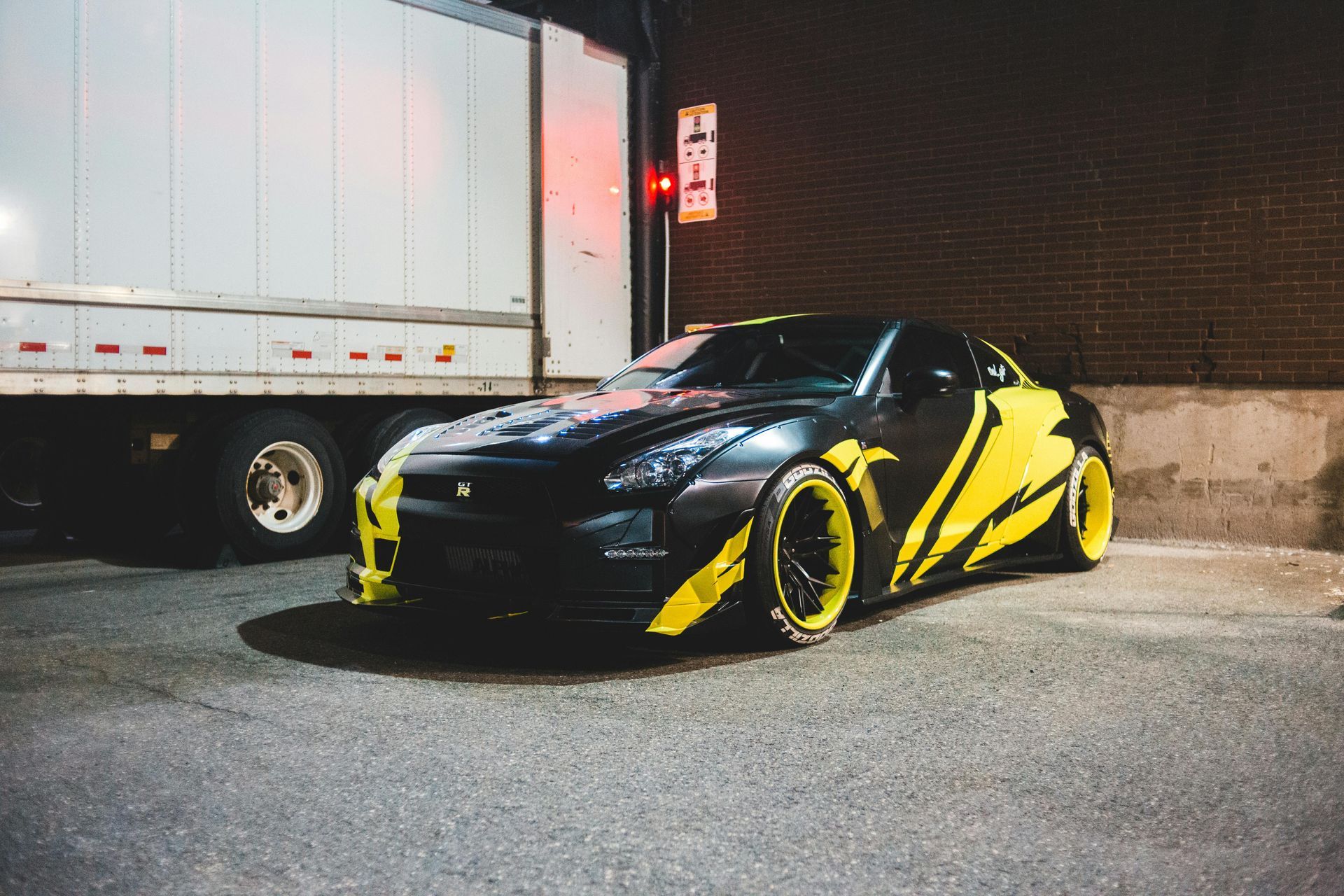
How Much Does It Really Cost To Wrap A Car?
Car wrap installation costs range from $2,000 to $5,000 or more, depending on the type of decals finished for the car and the decal design required. In addition, the vehicle segment also affects the cost of car wraps.
Car Wrap Finishes
The finish you choose, whether it’s gloss, matte, satin, or textured, has a big impact on both cost and appearance. Here’s a breakdown of popular vinyl finishes and their typical prices based on full-vehicle coverage.
| Finish Type | Description | Typical Price Range |
|---|---|---|
| Glossy Vinyl Wrap | High shine, reflective look | $2,200–$3,500 |
| Matte Vinyl Wrap | Smooth, non-reflective appearance | $2,200–$3,600 |
| Satin Vinyl Wrap | Low sheen between glossy and matte | $2,400–$3,800 |
| Brushed Metal Vinyl Wrap | Metallic texture and depth | $2,800–$4,200 |
| Textured Vinyl Wrap | Embossed patterns or unique textures | $2,800–$4,500 |
Custom Wrap Design Costs
Custom layouts require more design time - complex graphics, color schemes, and multi-layered illustrations that increase the design workload. Therefore, the car wrap installation cost also increases with each more detailed design need.
| Design Feature | Description | Added Cost |
|---|---|---|
| Custom Graphics | Branding elements, illustrations, logos | +$300–$800 |
| Graphic Wrap | Full artistic concepts or commercial layouts | +$500–$1,200 |
| Carbon Fiber Vinyl Wrap | Textured, high-detail design | +$300–$600 |
| Camouflage Vinyl Wrap | Multi-layer camo patterns | +$300–$700 |
| Color Change Wrap | Full-color transformation | +$600–$1,200 |
Vehicle Segment
Larger vehicles require more vinyl, detailed trimming, and longer installation time. Here’s how vehicle type affects overall wrap cost:
| Vehicle Segment | Typical Cost | Notes |
|---|---|---|
| Sedan / Coupe | $2,000–$3,000 | Lower surface area |
| SUV / Crossover | $2,800–$4,500 | More intricate contours |
| Pickup Truck | $3,000–$5,000 | Larger flat panels; tailgate detail |
| Jeep / Off-Road | $3,200–$5,200 | More angles, removable components |
| Minivan / Van | $3,500–$6,000 | Large body panels; ideal for commercial wraps |
| Convertible | $2,500–$4,000 | Additional trim and frame edges |
| Luxury Vehicle | $3,500–$7,000 | Sensitive surfaces; premium materials |
For a clearer cost vs. durability comparison, check out our car wrap longevity guide - it breaks down how matte, gloss, satin, and other finishes perform over time and impact total wrap value.
What Affects Vinyl Wrap Pricing?
In addition to the main factors such as wrap finish, vehicle type, the price of a vinyl wrap depends on the material, the workmanship of the installer, and the preparation. Here are some of the factors that affect the price of a vinyl wrap:
- Material Grade: Premium vinyl has a stronger protective film that resists UV damage and fading. Higher-grade materials cost more due to better durability and a smoother surface.
- Adhesive And Edge Treatment: A strong adhesive creates better adhesion on curves and edges. These additions increase labor but create a more stable and long-lasting wrap.
- Preparation Quality And Anti-Slip Solutions: Proper, meticulous surface cleaning improves adhesion and reduces the risk of bubbles, but also requires more labor.
- Heat Control And Application Tools:
Installers use heat guns to stretch vinyl around the vehicle's body contours, and advanced application tools deliver a perfect finish to the vehicle's surface
Pros & Cons Of Wrapping A Car
Vinyl car decals provide excellent outcomes regarding aesthetics as well as protective capabilities. However, car owners should analyze the advantages as well as the disadvantages through their daily habits of driving and maintenance.
Pros
- Protects Original Paint: Decals act as a strong barrier against sunlight, debris, and light scratches. The protected surface maintains its color better over time.
- Maintains Resale Value: Professional decals help reduce scratches and help protect resale value and appearance.
- Enhance Appearance: High-quality decals create a cleaner, more attractive finish. Poor-quality decals can create an uneven or unattractive surface.
- Long-Lasting Durability: Vinyl wraps last from 2 to 7 years; proper care will slow this process and improve long-term stability.
Cons
- Requires Regular Maintenance: Some decals require more maintenance, especially with heavy use. Matte decals can show smudges, while glossy decals show swirls.
- Relatively Protective: Car wraps offer some protection from minor scratches, UV fading, and light environmental elements, but not as comprehensive as PPF.
Tools Needed For A Professional-Level Wrap
Professional vinyl decal application requires specialized tools to increase the accuracy of the application and reduce the risk of long-term damage.
- Installation Squeegee: A squeegee is used to push the vinyl down in such a manner as to eliminate small areas of air between the vinyl and the installation surface.
- Heat Gun: This is used to warm the vinyl in such a way that it can stretch and mold around corners or edges.
- Cutting tape: This tape helps the installer to slice the vinyl along the shapes of the car body perfectly without coming into contact with the paint of the car.
- Microfiber Towel: Microfiber towels are used during preparation to remove dust, grease, and grime that can leave marks on the material.
- Alcohol Solution: Remove grease, dirt, and contaminants with alcohol before applying.
- Peel-Off Liner:
The release liner exposes the adhesive in a controlled manner, preventing sticking and premature wrinkling.
DIY Or Pro? Understanding Skill Requirements
Applying vinyl decals requires some patience and understanding of adhesives and heat functions. Do-it-yourself kits and professional alternatives give you very different results.
| Factor | DIY Approach | Professional Installation |
|---|---|---|
| Skill Level | Basic skills; higher chance of mistakes. | Industry-trained skill with consistent results. |
| Tools | Limited tools; uneven trimming and air pockets. | Full tools such as an installation squeegee and heat gun for clean results. |
| Edges & Seams | Often covered vs exposed with lifting issues. | Clean, strong sealed vs unsealed edges that last longer. |
| Surface Finish | Higher chance of uniform vs scratched surfaces. | Smooth, consistent finish across all panels. |
| Adhesive Bond | Weak bond from poor heat and pressure control. | Stronger adhesive performance and cleaner application. |
Conclusion: DIY vinyl wraps are suitable for small projects or vehicle owners on a tight budget. If possible, you should choose a professional installer who will provide consistent and long-lasting results using advanced tools and training.
Get A Free Vinyl Wrap Quote Today!
Ready to change the look of your vehicle? Get a quote for personalized vinyl wraps in Ashburn, VA from PHNX Services. Whether you want a satin black finish or a custom camouflage design, we can help you balance style, protection, and budget.
FAQs
How long do vinyl wraps last?
Most vinyl wraps last between 5 and 7 years if washed regularly and kept out of prolonged UV exposure.
Do vinyl wraps damage paint?
No, vinyl wraps protect the paint rather than damaging it. They can also be easily removed when you don't need them, without damaging or scratching the paint.
What types of vinyl wraps are there?
There are different types of wraps, the most prominent being clear vinyl wraps, matte vinyl wraps, and chrome vinyl wraps. Each type offers different levels of protection and appearance.
How do you maintain a vinyl wrap?
Regular cleaning twice a month helps keep the car clean, removing dirt and grime, keeping the vinyl looking new, and prolonging its life.
Can the wraps be removed without damaging the car?
Yes, removing the vinyl properly will not damage the paint. The thermal peel-off method reduces the risk of leaving behind residue or adhesive residue.