
How Long Does Ceramic Coating Last? Lifespan & Durability
Ceramic coating is a professional automotive paint protection solution designed to chemically bond with a vehicle’s clear coat and extend paint durability over time. But
how long does ceramic coating last? This guide from
Phnx Services LLC will help you understand what affects its lifespan and choose the right option for long-term protection.
Key Takeaways
- Ceramic coating lasts from 6 months to 5+ years, depending on the product, application method, and maintenance.
- Compared to wax or sealants, ceramic coating provides longer-lasting protection, stronger UV resistance, and hydrophobic properties.
- Maintenance and the environment also contribute directly to how long ceramic coating remains effective.
- Properly maintained, ceramic coating reduces exterior maintenance by 30–50% and preserves resale value by 5–10% over 3–5 years.
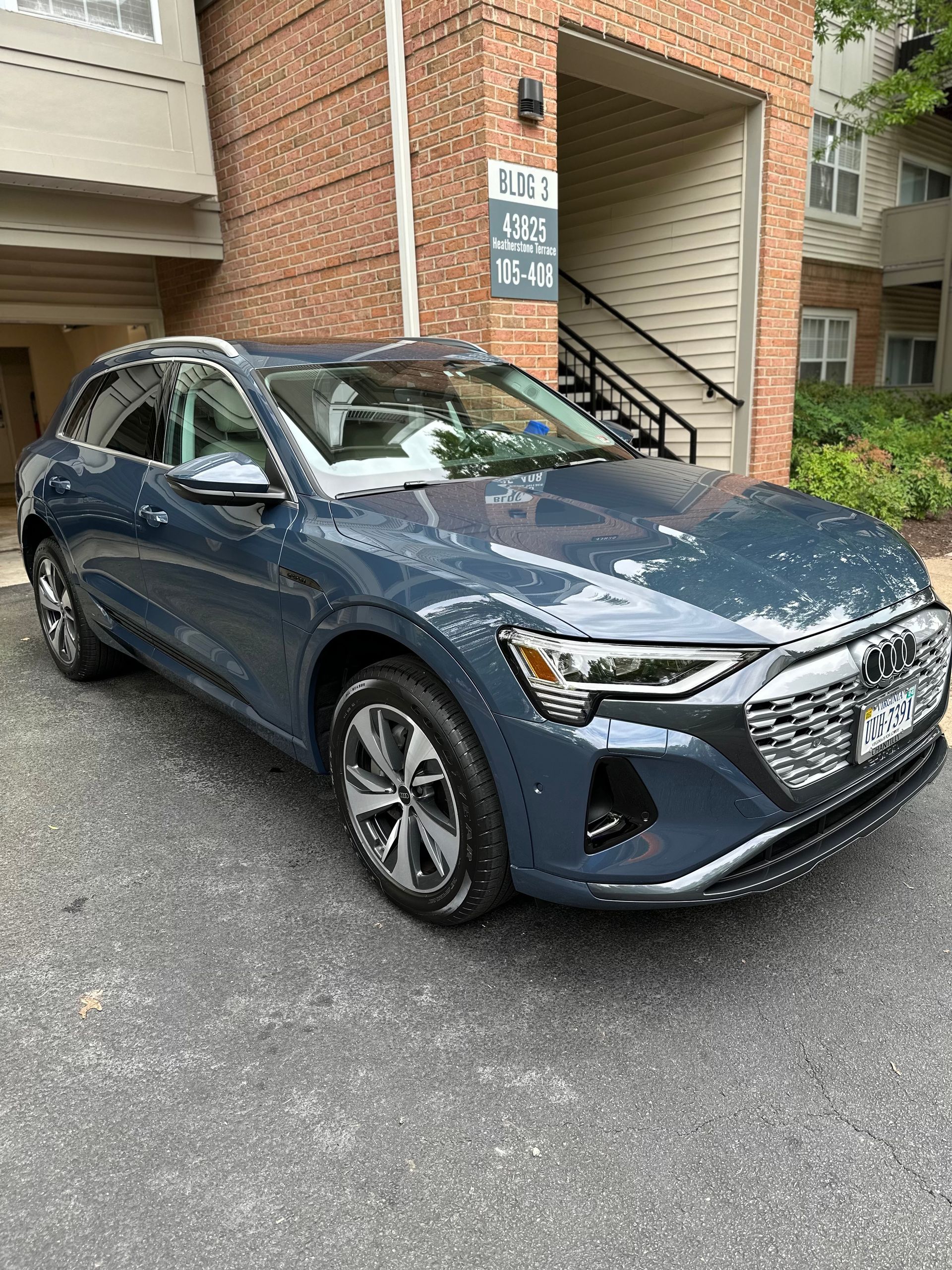
How Long Does Ceramic Coating Last On A Car?
So, how long does ceramic coating last under real conditions? Ceramic coating lasts between 6 months and over 5 years, depending on how it is applied and maintained.
Under normal driving and environmental conditions, ceramic coating lifespan generally falls into these ranges:
- DIY Ceramic Coating: 6–12 months
- Professional Ceramic Coating: 2–5 years
- Nano Ceramic Coating: 5+ years if well maintained
Ceramic coating forms a semi-permanent protective layer on automotive paint. This layer repels dirt, blocks UV damage, and reduces how often the car needs washing.
What Determines The Lifespan Of Ceramic Coating?
The lifespan of the ceramic coating will also depend on other elements that are unconnected to the chemical product used. Here are 5 main factors that will influence “how long does a ceramic coating last”.
Type Of Ceramic Coating
Not all coatings offer the same level of durability or bonding strength. Common protective coatings include:
- Nano Ceramic Coating for dense molecular bonding
- Quartz Coating for added hardness
- UV Protection Coating to prevent faded paint
- Chemical Resistant Coating to protect against tough contaminants
Higher-quality coatings last longer because stronger bonding chemistry slows degradation from heat, UV, and chemicals.
Methods Of Ceramic Coating (Professional Vs. DIY)
It is not merely a matter of what kind of coating you are using, but rather how that coating is applied:
- The DIY ceramic coating is quicker and more affordable, but this method typically skips paint correction and controlled curing, reducing durability.
- Professional ceramic coating includes paint decontamination, correction, layering, and curing. This method allows the coating to chemically bond more effectively and last longer.
Environmental And Climate Factors
Environmental exposure plays a major role in “how long do ceramic coatings last”. Factors that accelerate wear include:
- Intense UV radiation
- Extreme heat or cold
- Airborne pollutants and industrial fallout
Ceramic coating slows paint degradation by blocking UV rays, moisture, and chemical contaminants, but constant exposure will still shorten its lifespan over time.
Driving Habits And Use Of Vehicle
Driving frequency and distance directly affect the durability of the coatings. Frequent driving increases mechanical wear on the vehicle’s exterior. The longer the driving distance, the higher the chances of micro-scratches and surface abrasion on the coatings.
Washing Methods And Maintenance Frequency
Improper washing is one of the most common reasons ceramic coating fails prematurely. The following practices significantly reduce coating durability:
- Automatic car washes
- Strong detergents
- Rarely cleaning
Keeping the vehicle’s exterior clean prevents chemical buildup and allows the ceramic coating to perform as intended.
Ceramic Coating Vs. Wax And Sealants: Which Lasts Longer?
Below is a simple comparison between each type of coating:
- Traditional Wax: Can last from 1 to 3 months
- Basic Sealant: Can last from 3 to 6 months
- Ceramic Coating: Can last from 6 months to 5+ years
Unlike wax, ceramic coating does not simply sit on the surface. This protective coating chemically bonds to the clear coat, providing longer-lasting protection against UV exposure and chemicals.
What Causes Ceramic Coating To Wear Out Faster?
Ceramic coating can wear out faster when vehicles are frequently exposed to harsh elements or affected by poor driving and maintenance habits. These factors directly influence how long do ceramic coatings last. The most common causes include:
Incorrect Washing And Harsh Chemicals
Aggressive detergents and improper washing techniques gradually strip protective properties from the coating.
Environmental Fallout And Contaminants
Bird droppings, tree sap, road salts, and industrial fallout can chemically etch ceramic coating if left untreated, accelerating failure.
Wear And Tear From Daily Use
Using dirty towels, improper drying techniques, and neglecting maintenance causes micro-abrasion, which shortens coating lifespan even if scratches are minimized.
How To Extend The Life Of Your Ceramic Coating
To get the most benefit, ceramic coating should be part of a regular vehicle maintenance routine. The following tips can help car owners extend the lifespan of their ceramic coating and maintain long-lasting protection.
Proper Washing Techniques
Stick to the basics:
- Use a gentle shampoo for washing
- Remove contaminants by rinsing thoroughly
- Dry with clean microfiber towels
These steps preserve hydrophobic performance and reduce water spotting.
Maintenance Sprays And Top-Ups
Maintenance products help:
- Increase slickness
- Boost water beading
- Reinforce the existing ceramic coating for continued protection
These act as sacrificial layers that protect the main ceramic coating.
Storage And Driving Habits That Help
These practices maintain UV protection coating and prevent faded paint.
- Park your car in areas that have lots of shade
- Keep your car away from direct sunlight
- Prevent unnecessary contamination
When Should You Reapply Or Replace Ceramic Coating?
You might want to reapply or redo your ceramic coating once you notice some changes in its performance. Perhaps the water no longer beads up on the surface, the shine has dulled, or dirt spots start to stick easily to the material. At the same time, it’s a good idea to check the finish of your ceramic coating to see if it’s time for a refresh or if it’s time to apply a new layer.
Is Ceramic Coating Worth It Based On Its Lifespan?
Yes, ceramic coating is worth it based on its lifespan.
While the upfront cost is higher than traditional wax, ceramic coating reduces exterior maintenance costs by 30–50% over 3 to 5 years due to extended protection and reduced reapplication. This
reasonable price service also helps preserve paint condition, which can increase trade-in or resale value by 5–10% when the vehicle is properly maintained.
Professional Ceramic Coating Services By Phnx Services LLC
If long-term durability is your priority, professional ceramic coating is the most reliable way to maximize how long ceramic coating lasts. At Phnx Services LLC, ceramic coating is part of our complete detailing process, including proper surface preparation and paint correction to ensure strong bonding and long-lasting protection.
Looking for ceramic coating in Ashburn, VA? Contact Phnx Services LLC to get a personalized ceramic coating quote.
FAQs – Ceramic Coating Lifespan
Does ceramic coating wear off completely?
Yes. Over time, protection degrades and requires renewal.
Can ceramic coating last forever?
No. Even the best coatings need to be maintained and reapplied eventually.
Does ceramic coating prevent scratches?
The protective coating minimizes small abrasion but does not make the paint scratch-resistant.