
What Is Ceramic Coating? A Complete Guide For Car Owners
Ceramic coating is a premium vehicle protection solution used in modern automotive care to preserve and enhance a car’s exterior surfaces while providing long-term protection. This coating creates a durable protective layer that shields the vehicle from environmental damage, improves gloss, and reduces maintenance.
This guide from
Phnx Services LLC explains
what ceramic coating is, how it works, and why ceramic coating is especially valuable for vehicles exposed to Ashburn’s climate and driving conditions.
Key Takeaways
- Ceramic coating is a liquid polymer that bonds to the clear coat, forming a long-lasting protective layer stronger than wax.
- It shields paint from UV rays, oxidation, and chemical contaminants, helping prevent fading and surface damage.
- Hydrophobic properties make washing easier, as water, dirt, and grime are less likely to stick.
- The coating enhances gloss and maintains a deep, high-gloss shine for 2–5 years, outperforming traditional wax.
- Ceramic coating reduces maintenance but isn’t impact-proof, meaning scratches and rock chips still require additional protection.
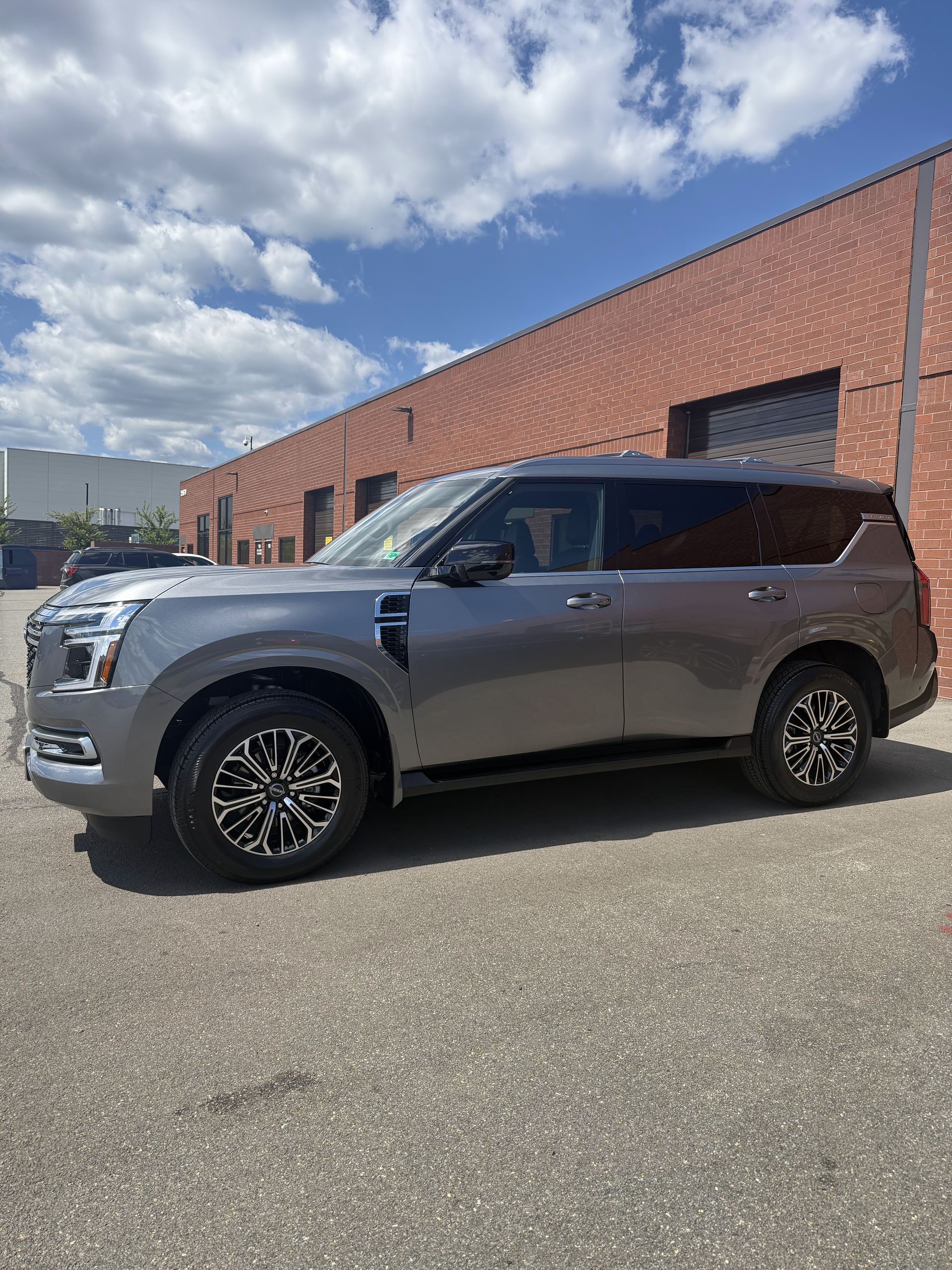
What Is Ceramic Coating?
Ceramic coating is an advanced surface treatment for automotive paint. By chemically bonding with the vehicle’s clear coat, the coating forms a durable, micron-thin protective layer typically 1–2 microns thick. Unlike temporary surface layers such as wax, this bond makes ceramic coating a permanent component of the paint system. The resulting layer enhances resistance to UV exposure, chemical etching, and oxidation, helping protect the paint long term.
How Does Ceramic Coating Work On Car Paint?
Ceramic coating works by creating a chemically bonded, low-friction layer that stabilizes paint gloss and minimizes contaminant adhesion. At the microscopic level, the coating fills tiny pores and imperfections within the clear coat, preventing contaminants from embedding into the paint.
The liquid polymer spreads evenly and cures into a hardened layer, forming a smooth, sealed finish that protects against environmental exposure. This protection is especially effective for vehicles in Ashburn, where seasonal temperature shifts, road salt during winter, high pollen levels, and prolonged sun exposure accelerate paint wear and surface contamination.
What Are The Benefits Of Ceramic Coating?
Protection From UV Rays And Oxidation
Ceramic coating inhibits ultraviolet radiation from penetrating the clear coat, slowing oxidation and reducing long-term paint fading. This benefit is particularly important in Ashburn, where vehicles are frequently exposed to prolonged sun exposure during warmer months and parked outdoors at homes or workplaces.
Resistance To Chemical Stains And Contaminants
Ceramic coating creates a chemically resistant shield on car paint, minimizing how contaminants interact with the surface. For vehicles in Ashburn and Northern Virginia, this makes environmental hazards such as bird droppings, tree sap, road salt, and industrial fallout, less likely to bond, stain, or etch the clear coat if removed promptly.
Hydrophobic Properties And Easier Cleaning
By lowering surface energy, ceramic coating causes water to bead tightly instead of spreading across the paint. This hydrophobic behavior reduces water spotting, shortens wash times, and lowers the risk of swirl marks during routine cleaning.
Enhanced Gloss And Candy-Like Shine
Ceramic coating enhances optical clarity by improving light reflection across the clear coat. The result is a deeper, more uniform gloss that remains stable far longer than wax-based protection.
What Ceramic Coating Does Not Do
Ceramic coating provides advanced protection but does not make a vehicle damage-proof. Understanding limitations helps set realistic expectations and builds trust.
Maintenance Still Required After Coating
Ceramic coating reduces maintenance frequency but does not eliminate proper washing and care. Neglecting safe wash methods or allowing contaminants to sit for prolonged periods can shorten coating lifespan.
Scratch And Swirl Mark Protection Limitations
Ceramic coating improves resistance to light swirl marks caused by improper washing, but it does not stop scratches from road debris or rock impacts. Physical damage requires additional protection, such as paint protection film (PPF).
How Long Does Ceramic Coating Last?
Ceramic coating lifespan typically ranges from 2 to 5 years. Durability depends on coating quality, paint preparation, driving conditions, and maintenance habits. High-quality professional coatings deliver stronger longevity and better long-term return on investment (ROI).
Ceramic Coating, Wax And PPF – What’s The Difference?
Ceramic coating, traditional car wax, and paint protection film (PPF) differ in durability, protection type, and damage resistance.
| Feature | Ceramic Coating | Traditional Car Wax | Paint Protection Film (PPF) |
|---|---|---|---|
| Type of protection | Chemical, surface-level protection | Temporary surface protection | Physical, impact-resistant protection |
| How it works | Chemically bonds to the clear coat | Sits on top of the paint surface | Applies as a thick urethane film |
| Primary purpose | UV, chemical, and contamination resistance | Short-term gloss and shine | Protection from rock chips and scratches |
| Durability | 2–5 years with proper maintenance | 1–3 months | 5–10 years, depending on film quality |
| Hydrophobic properties | Strong water beading and repellency | Mild, degrades quickly | Moderate (often enhanced with coating) |
| Scratch resistance | Reduces light swirl marks | Minimal | Absorbs physical impacts |
| Maintenance effort | Low, easier washing | High, frequent reapplication | Moderate |
Many drivers apply ceramic coating with PPF to achieve long-term chemical protection, easier maintenance, and superior impact resistance.
Not sure if ceramic coating or PPF is right for your vehicle? The right choice depends on driving habits, exposure risks, and long-term protection goals.
Who Should Consider Ceramic Coating?
Ceramic coating is ideal for car owners seeking long-term protection, easier maintenance, and strong value despite the upfront ceramic coating cost.
- Daily drivers are exposed to frequent wear and environmental damage
- Luxury and performance vehicles need paint preservation and lasting gloss
- Leased vehicles to help avoid end-of-lease exterior charges
- Owners focused on ceramic coating cost vs. resale value and long-term ROI
Book Ceramic Coating Near You
Professional ceramic coating ensures correct surface preparation, proper curing, and consistent long-term results. Phnx Services LLC offers expert ceramic coating in Ashburn, VA, designed for long-term protection and reliable performance under local driving and environmental conditions.
Get in touch with us to schedule your ceramic coating consultation.
FAQs About Ceramic Coating
How much does ceramic coating cost?
Ceramic coating cost depends on vehicle size, coating quality, and preparation work.
Is ceramic coating good for your car?
Yes. Ceramic coating protects automotive paint, preserves gloss, and simplifies ongoing maintenance.
What are the disadvantages of ceramic coating?
Ceramic coating has a higher upfront cost and still requires maintenance. It also does not prevent deep scratches and needs proper curing.
What is ceramic coating for?
Ceramic coating is used to protect paint and improve exterior appearance. The coating shields the clear coat from UV damage, stains, and contaminants.
Can you go through a regular car wash with ceramic coating?
Yes. Touchless car washes are recommended to avoid brushes and harsh chemicals.