
How To Apply Ceramic Coating: Step-By-Step
Applying ceramic coating correctly requires a controlled process, proper surface treatment, and precise preparation. Ceramic coating is a vehicle protection method within modern automotive care, not a shortcut.
This guide from
Phnx Services LLC explains
how to apply ceramic coating to a car, from preparation to curing, for long-term paint protection.
Key Takeaways
- Ceramic coating works only with proper preparation, including washing, decontamination, and paint correction.
- The coating chemically bonds to paint, providing long-term UV, chemical, and hydrophobic protection.
- Application precision matters, too much product or poor technique causes streaks and bonding failure.
- Curing time affects ceramic coating lifespan, with full bonding taking up to 7 days.
- Professional application offers greater consistency, durability, and long-term ROI compared to DIY.
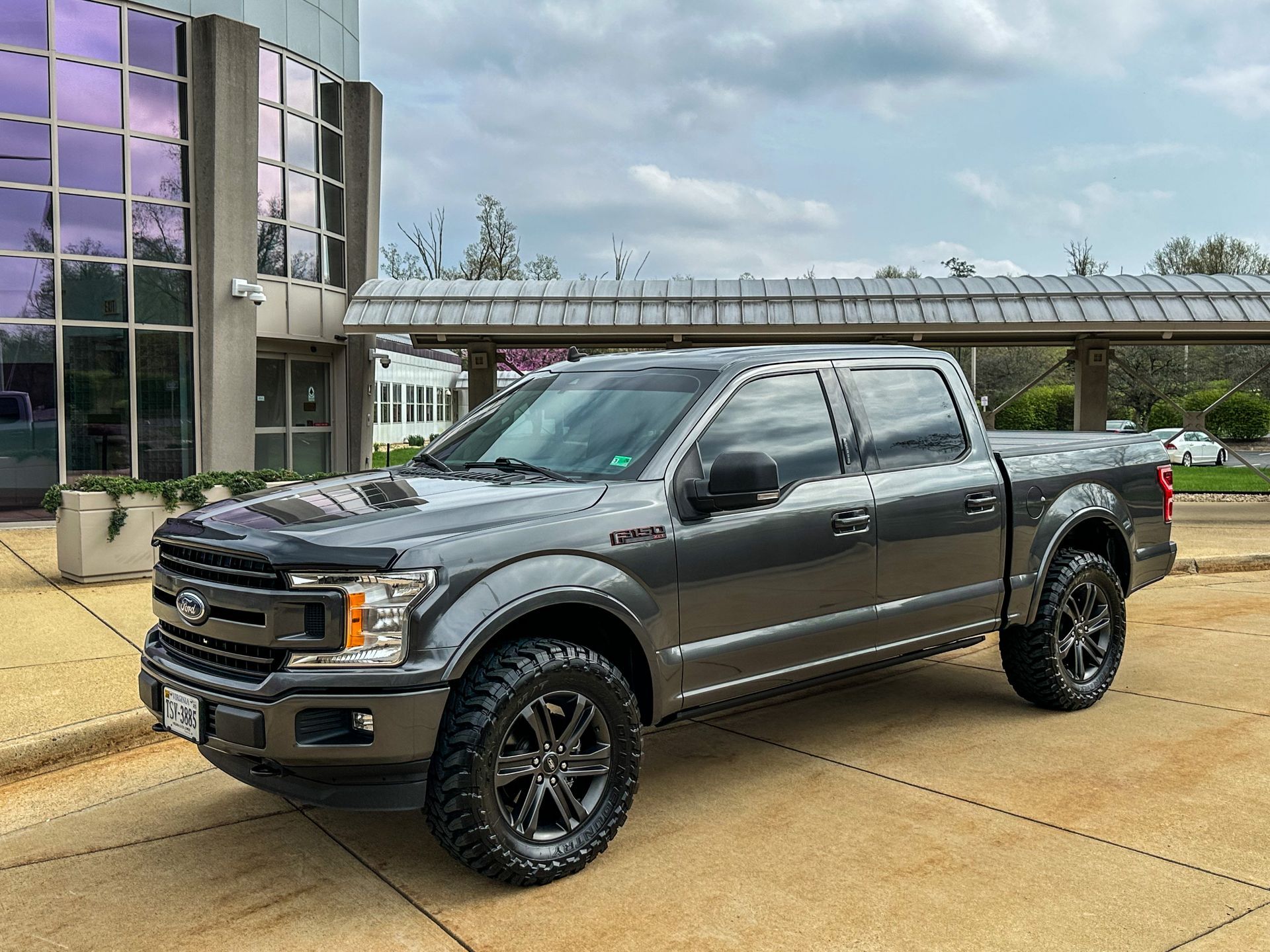
What Is Ceramic Coating And Why Proper Application Matters
Ceramic coating is a liquid surface coating that chemically bonds to the vehicle’s paint surface, forming a durable protective layer. Once cured, it provides UV protection, chemical resistance, and hydrophobic behavior.
Proper application matters because paint protection occurs only when bonding is correct. Poor preparation leaves an unprotected surface, causing streaks, low durability, and early coating failure.
Ceramic Coating Vs. Wax And Paint Sealants
Ceramic coating, wax, and paint sealants vary in durability, bonding method, and overall protection. Check the table below for more information:
| Feature | Ceramic Coating | Traditional Wax | Paint Sealant |
|---|---|---|---|
| Durability | 2–5 years | Weeks | 3–6 months |
| Protection Level | High vehicle protection | Low | Medium |
| Maintenance | Easy | Frequent | Moderate |
| Application Difficulty | High | Low | Medium |
| Bonding | Chemical | Physical | Synthetic |
Unlike traditional wax or a basic sealant, ceramic coating is a long-term protective coating that requires precision during application.
What You Need Before Applying Ceramic Coating
Proper preparation is mandatory. Correct vehicle care ensures the coating bonds and performs as intended. Skipping steps causes poor bonding and early failure. Use PPE, including gloves, to avoid contamination when applying ceramic coating to car surfaces.
Essential Tools and Products for Ceramic Coating Application
Using the correct tools is essential for proper preparation and coating performance.
Here are what you need before applying ceramic coating:
- Ceramic coating applicator block
- Microfiber towels (multiple, clean sets)
- pH-neutral wash soap to clean and rinse
- Iron remover to remove bonded contaminants
- Clay bar for mechanical treatment
- Polishing machine to polish if defects exist
Each tool supports a specific phase in the process of ceramic coating.
Ideal Environmental Conditions For Applying Ceramic Coating
Ceramic coating must cure under controlled conditions. Ideal ranges:
- Temperature: 50–80°F
- Humidity: Below 70%
- Airflow: Minimal
- Lighting: Bright, direct inspection light
Improper conditions interrupt the curing process, preventing the coating from fully solidifying.
How To Prep Your Car Before Applying Ceramic Coating
Preparation is a sequential car detailing workflow. Every step improves adhesion to the vehicle body, including trim and glass surfaces.
Step 1: Wash The Vehicle Thoroughly
Wash the vehicle to clean, scrub, and rinse loose debris. Washing removes surface dirt but not embedded contamination. This step supports proper exterior car care, not decontamination.
Step 2: Remove Embedded Contaminants With An Iron Remover
Use an iron remover to chemically remove bonded iron particles. This treatment prevents coating-bonding failure caused by metallic residue.
Step 3: Clay Bar Treatment For Surface Smoothness
Clay bar treatment removes remaining bonded debris and eliminates rough texture. A smooth finish allows even coating distribution across the paint surface.
Step 4: Paint Correction Through Polishing (If Necessary)
Polish only if swirl marks or scratches exist. Ceramic coating locks in defects permanently. Skipping polishing preserves a scratched surface under the coating.
How To Apply Ceramic Coating Correctly (Step-By-Step)
Step 1: Apply Ceramic Coating In Small Sections
Apply the coating by spreading and coating small sections (2×2 feet). Use straight-line motions. Maintain even pressure. This creates a uniform protective layer.
Step 2: Allow The Ceramic Coating To Flash
Let the coating flash before leveling. Flash time varies by product. Flashing is not curing. Full curing time occurs later when the coating stabilizes and hardens.
Step 3: Level And Wipe Off Excess Coating
Use clean microfiber towels to level and remove excess coating. Inspect panels under light. High spots cause streaking if missed.
How Long Does Ceramic Coating Take To Cure?
Most ceramic coatings require 24–48 hours for initial curing time. Full chemical bonding can take 7 days. Proper curing directly impacts ceramic coating lifespan, determining how long the coating maintains protection and performance.
Post-Application Care After Ceramic Coating
Avoid moisture and contamination during the first 48 hours. Maintaining a ceramic coating requires periodic inspection and consistent vehicle care.
When You Can Wash Your Car After Ceramic Coating
Wash only after 7 days. Early car wash exposure disrupts the cure process and weakens protection.
How To Maintain Ceramic Coating For Long-Term Protection
Use pH-neutral soap. Avoid abrasive tools. Protect, preserve, and maintain the coating to ensure longer-lasting shine and durability.
Common Ceramic Coating Application Mistakes To Avoid
The two most damaging mistakes are
applying too much product
and skipping preparation. Excess product creates stained surfaces and high spots. Poor prep causes chemical vulnerability, uneven bonding, and low durability. Controlled application and correct prep preserve the protective layer.
DIY Vs Professional Ceramic Coating: Which Is Right For You?
DIY and professional ceramic coating differ in cost, effort, and consistency, depending on tools, environment, and experience level.
- DIY Ceramic Coating: Lower upfront ceramic coating cost, but requires proper tools, controlled technique, time, and careful surface preparation to avoid bonding issues.
- Professional Ceramic Coating: Higher initial cost, but includes a controlled environment, advanced coatings, expert application, and stronger long-term ROI (Return on Investment).
Book Your Ceramic Coating Near Me
If you prefer professional vehicle protection and consistent results, Phnx Services LLC offers expert exterior enhancement and ceramic coating services in Ashburn, VA and nearby areas. Get a free quote today.
FAQs About Ceramic Coating
How much does ceramic coating cost?
Yes. A DIY (Do It Yourself) application is possible with proper tools, PPE (Personal Protective Equipment), and time for correct application.
How is ceramic coating applied?
The coating is applied, the surface is cleaned, contaminants are removed, paint is polished if needed, panels are inspected, and the coating is allowed to cure.
Can I go through a regular car wash with ceramic coating?
Yes, you can go through a regular car wash with ceramic coating. However, avoid automatic car washes as harsh chemicals and abrasive brushes weaken ceramic coating, even on scratch-resistant surfaces.
What destroys ceramic coating?
Strong chemicals, abrasion, improper washing, corrosion, and water retention degrade ceramic coating.
Is there a downside to ceramic coating?
Yes. Application takes time, curing requires discipline, and cost is higher, but the ROI is strong when done correctly.