How Much Does Ceramic Coating Cost In 2026?
Ceramic coating is a paint protection option that forms a durable, hydrophobic layer over automotive paint, helping protect against UV exposure, environmental contaminants, and chemical staining. In 2026, understanding key pricing factors such as vehicle size, surface preparation, coating type, and installation requirements helps drivers compare options and plan their budget.
Key Takeaways
- Professional ceramic coating costs $800 to $2,500+ in 2026, depending on vehicle size, paint condition, coating type, preparation, and package scope.
- Paint correction is not mandatory for every vehicle, but proper cleaning and decontamination help prepare the surface for ceramic coating.
- Professional ceramic coatings can provide several years of protection, depending on the coating formulation, installation quality, environmental exposure, and maintenance.
- A professional ceramic coating project can take 1 to 2 days, while initial and complete curing times vary by product and manufacturer instructions.
- Coating 3 additional exterior areas, including wheels, glass, and plastic trim, can extend protection beyond painted body panels while increasing the total project cost.
What Ceramic Coating Does for Your Vehicle
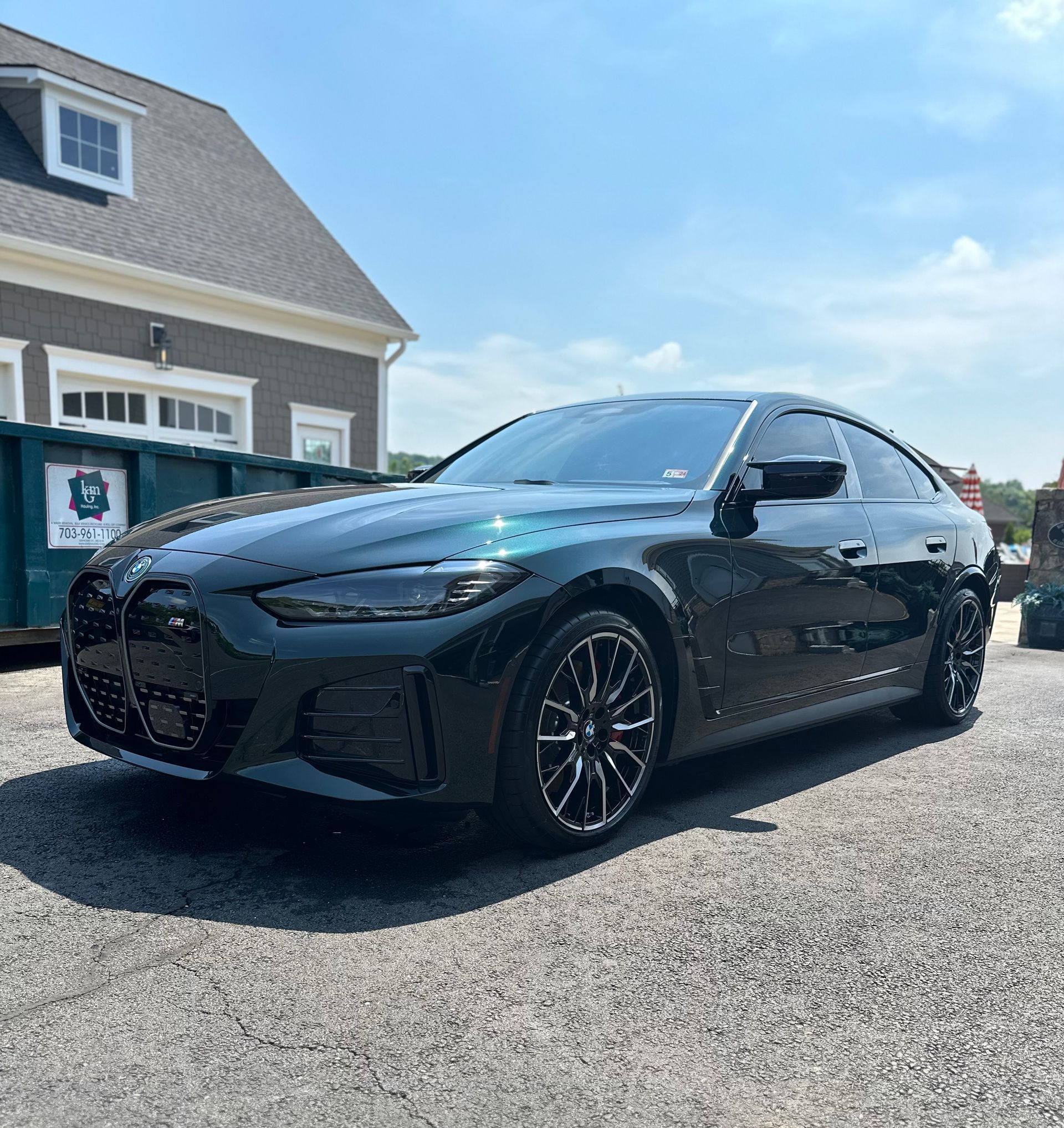
Understanding what ceramic coating does requires examining its underlying silicon dioxide-based chemistry and how the selected product interacts with automotive paint. Unlike traditional carnauba wax or synthetic paint sealants, many ceramic coatings are formulated to bond with the vehicle's clear coat and create a durable protective layer.
This protective layer creates hydrophobic properties that encourage water and contaminants to bead and move across the surface more easily. Ceramic coatings can also provide resistance against environmental contaminants such as bird droppings, tree sap, road grime, and UV exposure. They can make routine maintenance easier and help reduce the risk of chemical staining, but they do not make automotive paint completely resistant to scratches, chips, stains, or other physical damage.
Average 2026 Pricing: Ceramic Coating Costs
Drivers often ask how much ceramic coating costs across different vehicle types. Professional pricing varies based on vehicle size, surface area, paint condition, preparation requirements, coating system, and labor involved. Smaller vehicles generally require less product and preparation time, while larger SUVs and trucks may require more extensive work.
The following table provides
estimated 2026 pricing ranges for professional ceramic coating services. These figures are intended for planning purposes rather than as fixed industry rates. Actual pricing can vary by shop, vehicle condition, coating system, preparation requirements, service area, and package scope.
| Vehicle Type | Standard Coating | Premium Coating |
|---|---|---|
| Compact Car / Coupe | $800 – $1,100 | $1,200 – $1,500 |
| Midsize Sedan (e.g., BMW 5 Series) | $900 – $1,350 | $1,400 – $1,800 |
| Crossover / Small SUV | $1,100 – $1,550 | $1,600 – $2,100 |
| Full-Size SUV (e.g., Toyota Sequoia) | $1,300 – $1,800 | $2,000 – $2,500+ |
| Pickup Truck (e.g., Ford F-150) | $1,400 – $1,900 | $2,200 – $2,800+ |
Note: These baseline prices typically cover the exterior painted body panels. Additional fees apply if you request specialized coatings for the vehicle's glass, wheels, or plastic trim.
Core Factors That Affect Ceramic Coating Pricing
When evaluating a quote from a professional detailing shop, several elements influence the final price.
Vehicle Size and Surface Area
The physical dimensions of your vehicle affect the amount of coating product and labor required. Coating a compact coupe generally involves fewer panels than coating a three-row SUV or a full-size truck. Larger vehicles can therefore require more preparation, product, application time, and inspection.
Paint Condition and Correction Requirements
Paint correction is not automatically required for every vehicle before ceramic coating. However, thorough surface preparation is important because the coating is applied directly over the prepared paint surface.
If your car's paint is in excellent condition, cleaning, decontamination, and a final panel preparation step may be sufficient. If the vehicle has swirl marks, oxidation, water spots, or other visible defects, paint correction can be performed before coating to improve the appearance of the underlying finish.
Depending on defect severity, a single-stage or multi-stage correction can add significant labor time and cost.
Coating Type and Durability
Ceramic coating products differ in formulation, application requirements, expected durability, and warranty or guarantee terms. Entry-level and professional-grade products may therefore have different pricing structures.
Some manufacturers advertise durability of up to five years for specific coatings when properly applied and maintained, while other products have shorter service lives. The product manufacturer's published specifications should be checked when comparing coating packages.
Facility and Installer Expertise
High-quality installations require a clean environment and careful application. A controlled installation bay can help reduce dust, airborne debris, and environmental variables during application and initial curing.
Pricing can also reflect technician experience, facility overhead, coating preparation, application technique, inspection time, and the level of finish expected from the service.
Professional Ceramic Coating Process
Following structured steps to apply ceramic coating helps create consistent coating coverage and bonding across the vehicle. The exact process and timeline vary by coating manufacturer, vehicle condition, and service package.
Step 1: Deep Clean & Surface Inspection
The process begins with a comprehensive exterior wash using an appropriate automotive shampoo. Technicians remove bonded contaminants with methods such as iron decontamination and clay treatment when needed, then inspect the paint under suitable lighting.
Step 2: Paint Correction & Surface Prep
If paint correction is needed, technicians use single-stage or multi-stage machine polishing to address appropriate surface defects. After polishing, a panel preparation product removes remaining oils and residues so the coating can be applied to a clean surface.
Step 3: Ceramic Coating Application
Inside a clean, controlled environment, technicians apply the selected ceramic coating panel by panel according to the manufacturer's application instructions. The product is carefully leveled and inspected to achieve even coverage and minimize high spots or residue.
Step 4: Initial Curing & Final Inspection
After application, the vehicle remains indoors for the manufacturer-specified initial curing period. Some coatings require approximately 12 hours before exposure to moisture, while other systems may specify different requirements. The vehicle should follow the specific product's cure and aftercare instructions before returning to normal use.
Add-Ons That Increase Your Total Cost
Most standard ceramic packages cover painted body panels. Adding specialized coatings to other exterior components increases total protection and total cost:
- Wheel & Caliper Coating ($200 to $400+): Wheel coatings can help make brake dust and road contaminants easier to remove from treated surfaces.
- Windshield & Glass Coating ($100 to $200+): Hydrophobic glass coatings can improve water beading and help rain move across treated glass.
- Plastic Trim Coating ($150 to $200+): Trim coatings can improve water repellency and help maintain the appearance of treated unpainted plastic surfaces.
The True Value of Ceramic Coating vs. Traditional Methods
Ceramic coating offers a
longer-lasting form of paint protection than many traditional products, but it does not eliminate the need for routine washing or paint care. The main differences are
expected service life, water repellency, environmental protection, and how often the surface protection needs to be reapplied.
| Feature | Carnauba Wax | Synthetic Paint Sealant | Professional Ceramic Coating |
|---|---|---|---|
| Typical Service Life | 1 to 3 months | 4 to 6 months | Several years, depending on the product |
| Water Repellency | Temporary | Moderate | Typically high, depending on formulation |
| Environmental Protection | Short-term | Moderate | Longer-lasting, depending on the coating system |
| Maintenance | Frequent reapplication | Periodic reapplication | Routine washing and coating-specific maintenance |
| Reapplication Frequency | Higher | Moderate | Generally less frequent, depending on product durability |
Ceramic coating is not a substitute for regular washing, proper drying, or paint maintenance. Its primary value is providing longer-lasting surface protection and water repellency than many short-term paint protection products. The actual performance and service life depend on the coating formulation, installation quality, environmental exposure, driving conditions, and maintenance routine.
For drivers comparing ceramic coating with wax or sealants, the right choice depends on the desired protection period, maintenance routine, vehicle condition, and available budget.
Get Your Custom Quote Today
Ceramic coating costs in 2026 can range from $800 to $2,500+, but the final price depends on more than vehicle size. Paint condition, preparation, coating type, durability, installation requirements, and selected add-ons all affect the total cost and level of protection. Understanding these factors can help you choose a coating package that fits your vehicle and budget.
If you are considering
ceramic coating in Ashburn, VA, send
PHNX Services 2 to 3 photos of your current vehicle for a preliminary evaluation.
PHNX Services can assess the vehicle's condition, discuss preparation needs and coating options, and provide a more specific estimate based on your protection goals. Serving Northern Virginia since 2019, PHNX Services has over 110 five-star reviews from customers who have used its detailing services.
FAQs
How long does ceramic coating last on a car?
A professional ceramic coating can last several years, but durability depends on the specific product, application quality, environmental exposure, driving conditions, and maintenance habits. For example, some manufacturers list up to five years for specific coatings when properly applied and maintained, while other products have shorter or longer published durability periods.
Is it necessary to do paint correction beforehand?
Paint correction is not mandatory for every ceramic coating installation. A vehicle with clean, well-maintained paint may only require washing, decontamination, and final surface preparation. If the paint has swirl marks, oxidation, water spots, or other visible defects, correction before coating can improve the final appearance because the coating does not replace or hide underlying paint imperfections.
Will ceramic coating prevent all scratches and swirl marks?
No. Ceramic coating does not make a vehicle completely scratch-proof or protect against rock chips. A cured coating can provide some resistance to minor wash-related marring and environmental contamination, but heavy scratches, impacts, stone chips, and other physical damage can still reach or damage the underlying paint. Proper washing techniques remain important for maintaining the finish.
How long does the entire installation process take?
The complete professional process can take one to two days depending on vehicle condition, paint correction requirements, coating system, and shop procedures. The timeline can include washing, decontamination, paint correction, surface preparation, coating application, inspection, and an initial indoor curing period. The exact release and aftercare requirements should follow the coating manufacturer's instructions.
Does the coating require any special maintenance?
Yes. Ceramic-coated vehicles still require regular maintenance to preserve the coating's appearance and hydrophobic properties. Use an automotive-safe, pH-neutral shampoo when recommended by the coating manufacturer, wash with appropriate tools, and avoid abrasive automatic car washes that can introduce wash marring. Following the product's maintenance instructions can help maximize its expected service life.
About Phnx Services
PHNX Services LLC is a team of certified detailing technicians serving Ashburn and Loudoun County since 2019, with 7+ years of experience protecting vehicle value and appearance. The team specializes in ceramic coating, paint correction, auto detailing, vinyl wrap, and headlight restoration for daily drivers and luxury vehicles alike.
Updated: September 2026