
Is Ceramic Coating Worth It? A Straight Answer
Ceramic coating is worth it for most vehicle owners who want lasting paint protection and easier maintenance. A professional-grade coating bonds to the clear coat, repels contaminants, and helps protect against UV exposure for 3 to 7 years, depending on the product tier. Cost ranges from $500 to $2,500 installed; here's exactly how to decide if it's right for your situation.
Key Takeaways
- Ceramic coatings last 3 to 7 years compared to 3 to 6 months for traditional wax, delivering 10 to 20× the durability.
- Professional installation costs $500 to $2,500, depending on vehicle size, paint condition, and coating tier (entry vs. multi-year).
- Ceramic coating makes contaminants less likely to bond aggressively to the paint, reducing wash effort and helping the vehicle stay cleaner between washes.
- Paint correction is required before application, and coating over scratches or swirls locks them in permanently.
- DIY kits ($50 to $150) exist but typically last 1 to 2 years and carry a higher risk of improper bonding.
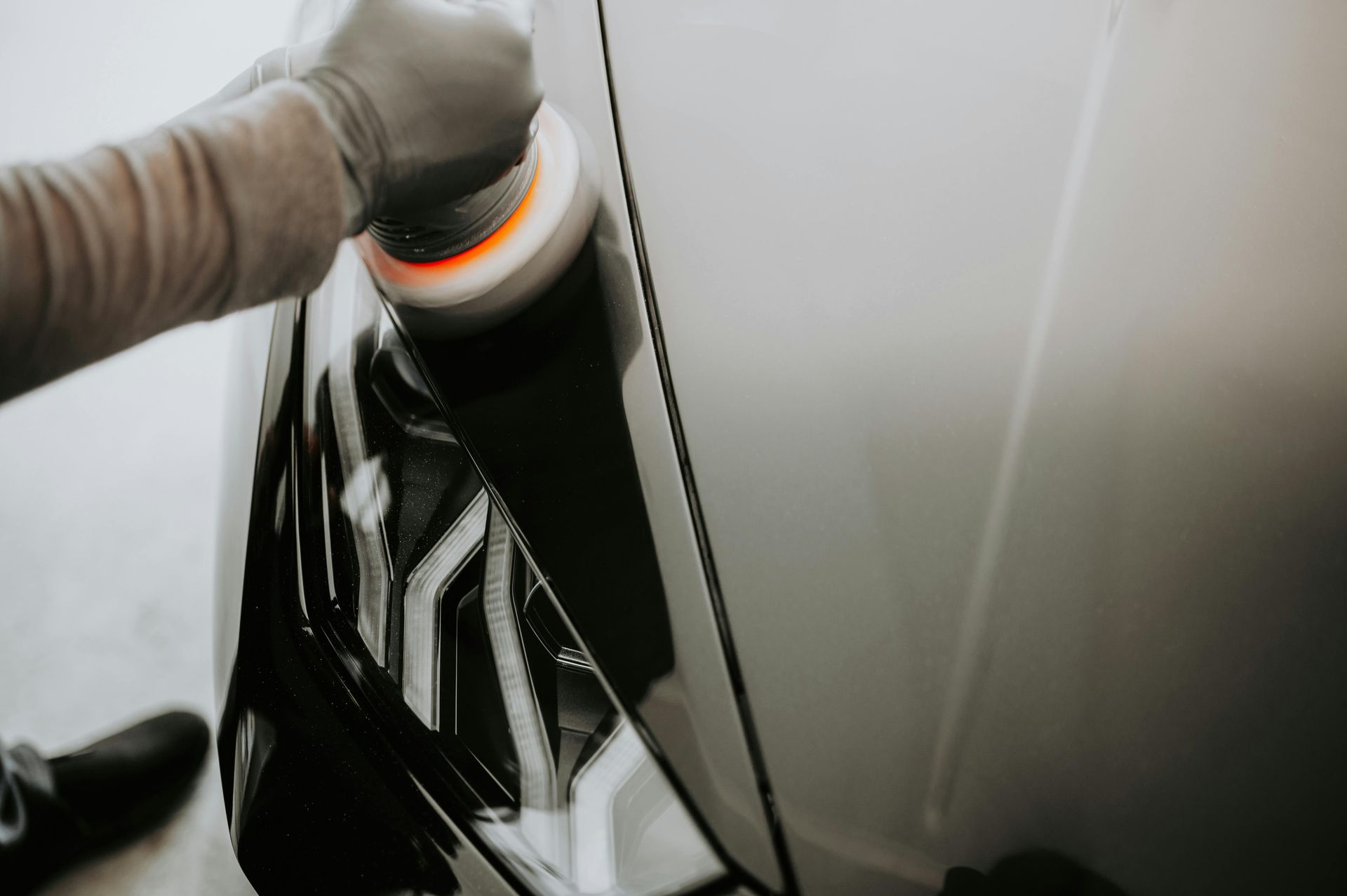
What Is Ceramic Coating and How Does It Work?
Ceramic coating is a liquid polymer that chemically bonds to a vehicle's factory clear coat, forming a semi-permanent protective layer measured in nanometers.
Once cured, typically within 24 to 48 hours, ceramic coating becomes highly hydrophobic, causing water to bead and slide off the surface rather than sitting on the paint. Professional-grade coatings use advanced SiO₂-based formulations that improve chemical resistance, gloss retention, and resistance to light wash marring compared to traditional waxes and sealants. Proper application requires a fully decontaminated surface, including clay-bar treatment and, in many cases, paint correction before the coating is carefully applied and leveled by a trained technician.
What Does Ceramic Coating Actually Protect Against?
Ceramic coating protects against UV oxidation, chemical etching, light scratches, bird droppings, and road grime, but it does not eliminate deep scratches or rock chips.
Here's what ceramic coating handles well:
- UV & oxidation: The SiO₂ layer blocks UV rays that break down clear coat, preventing the chalky fade common after 4 to 6 years of sun exposure.
- Chemical etching: Bird droppings, tree sap, and acid rain can begin damaging unprotected clear coat surprisingly quickly, especially in hot weather and direct sunlight. Ceramic coating adds a sacrificial layer that improves chemical resistance and gives owners more time to safely remove contaminants before permanent etching occurs.
- Contaminant bonding: The hydrophobic surface makes road film, brake dust, and environmental fallout easier to remove during routine washing, reducing maintenance effort and helping the vehicle stay cleaner between washes.
- Light swirl marks: Ceramic coatings improve resistance to fine wash marring, though they will not eliminate existing swirl marks or prevent deep scratches.
What ceramic coating doesn't cover: stone chips, deep scratches, or panel dents. For high-impact zone protection, paint protection film (PPF) is the appropriate product, and many owners combine PPF on the front end with ceramic coating over the rest of the vehicle.
How Much Does Ceramic Coating Cost?
Professional ceramic coating installation costs $500 to $2,500, with paint correction adding $300 to $1,500 to the total, depending on paint condition.
| Tier | Price Range | Durability | Best For |
|---|---|---|---|
| Entry (consumer kit) | $50 to $150 DIY | 12 to 24 months | Budget, low-use vehicles |
| Entry Pro (shop-applied) | $500 to $900 | 2 to 3 years | Daily drivers, used cars |
| Mid-tier (5-year) | $900 to $1,600 | 4 to 5 years | New vehicles, enthusiasts |
| Premium (7 to 10 years) | $1,600 to $2,500+ | 6 to 7+ years | Exotics, long-term owners |
Paint correction is the most overlooked cost. A vehicle with heavy swirling, water spots, or oxidation needs a 1-step or 2-step correction ($300 to $1,500) before coating. Skipping it means applying ceramic coating
over defects that become permanent.
How Long Does Ceramic Coating Last?
A professionally applied ceramic coating lasts 3 to 7 years with proper maintenance, compared to 3 to 6 months for carnauba wax.
Service life depends on product quality, application quality, maintenance habits, and environmental exposure. Vehicles parked outdoors in harsh climates, including intense UV exposure, road salt, and heavy pollution, typically see shorter coating lifespans than garage-kept vehicles maintained with proper washing techniques.
Annual decontamination and a topper application ($100 to $250) extend the coating's hydrophobic properties and restore hydrophobic performance and water beading closer to like-new condition.
Ceramic Coating vs. Wax vs. PPF: Quick Comparison
Ceramic coating sits between traditional wax (cheapest, shortest-lived) and PPF (most comprehensive, most expensive), making it the best value for whole-vehicle protection.
| Feature | Wax | Ceramic Coating | PPF |
|---|---|---|---|
| Durability | 3 to 6 months | 3 to 7 years | 5 to 10 years |
| Cost (installed) | $50 to $200 | $500 to $2,500 | $1,500 to $7,000+ |
| Rock chip protection | None | None | Yes |
| Hydrophobic effect | Moderate | High | Moderate to High |
| Self-healing | No | No | Yes (some films) |
| Paint correction needed | Recommended | Required | Strongly Recommended |
Who Should (and Shouldn't) Get Ceramic Coating?
Ceramic coating delivers the strongest return for new or well-maintained vehicles whose owners plan to keep them for 3+ years.
Good candidates:
- New vehicle owners (factory paint is in perfect condition, no correction cost).
- Enthusiasts and collectors who want long-term gloss retention and reduced detailing labor.
- High-mileage commuters: the hydrophobic surface resists road film, cutting wash time by 40 to 50%.
- Anyone asking, are ceramic coatings worth it? For vehicles kept 4+ years, the math almost always works out.
Poor candidates:
- Vehicles with heavily damaged paint requiring $1,000+ correction; total cost may exceed the vehicle's value.
- Owners who lease short-term (under 24 months) and won't recoup the investment.
- Anyone unwilling to use pH-neutral soap, as improper washing degrades the coating prematurely.
How to Decide Whether Ceramic Coating Makes Sense for Your Vehicle
Professional ceramic coating installation starts with a paint inspection, followed by decontamination, correction (if needed), and a multi-layer application, all completed in 1 to 2 days.
Phnx Services provides ceramic coating services in Ashburn, VA, including paint inspection, decontamination, correction, and coating installation tailored to the vehicle's condition and ownership goals. Every service includes a paint-condition assessment and maintenance guidance to help maximize coating performance and lifespan.
Contact the Phnx Services team directly or use the online scheduler to select a date, vehicle type, and coating tier.
Frequently Asked Questions
Does ceramic coating prevent scratches?
Ceramic coating resists light swirl marks and fine wash scratches but does not prevent deep scratches or impact damage. Ceramic coatings improve resistance to minor wash marring caused by routine washing and environmental contamination, though no coating completely eliminates the risk of paint damage over time.
Can ceramic coating be applied to a used car?
Ceramic coating can be applied to a used car, but paint correction is almost always required first. Used vehicles typically accumulate swirl marks, water spots, and light oxidation within 2 to 4 years. A technician will assess paint condition using a thickness gauge and light inspection before quoting correction work. Skipping correction on a used car locks existing defects under the coating permanently.
How long does ceramic coating take to apply?
Professional ceramic coating application takes 1 to 2 days from drop-off to pickup. Day 1 covers decontamination wash, clay bar treatment, and paint correction (4 to 12 hours depending on paint condition). Day 2 covers coating application and initial cure time. The vehicle then requires 24 to 48 hours of low-exposure curing before returning to normal use, and 14 to 30 days before full hardness is reached.
Does ceramic coating require special maintenance?
Ceramic coating requires pH-neutral car wash soap, as alkaline or acidic cleaners degrade the coating's hydrophobic properties over time. Hand washing or a soft-brush touchless wash is recommended; automated brush washes cause micro-marring. An annual SiO₂ topper application ($100 to $250) restores water beading and extends coating life by 12 to 18 months. Avoid applying wax or traditional sealant over a coated surface.
Is a DIY ceramic coating kit as good as professional installation?
DIY ceramic coating kits ($50 to $150) are not equivalent to professional-grade products. Consumer-grade coatings generally offer shorter durability, lower chemical resistance, and less consistent performance than professional systems installed after proper paint preparation. Improper application, including high spots and uneven coverage, can require machine polishing to remove, adding correction cost. Professional installation often includes a workmanship warranty and ongoing maintenance recommendations.